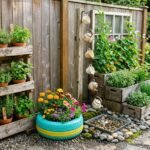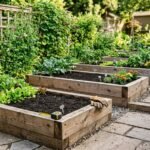
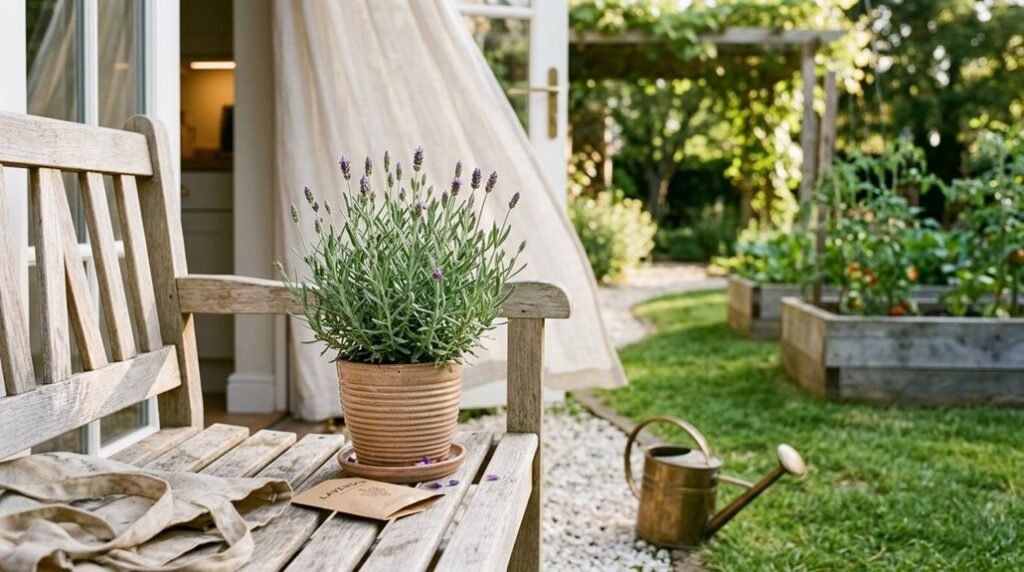
I’m kicking off my 2026 growing season with seven plants that practically guarantee success, and I think you’ll want in on this. Basil, cherry tomatoes, lettuce, radishes, sunflowers, marigolds, and lavender each bring something distinct: quick harvests, pest protection, or pure visual payoff. Most need just 6-12 inches of spacing and basic frost timing.
But here’s the catch, picking the right starter kit can make or break your first attempt. I’ve mapped out exactly which combinations work, where each plant thrives, and how to stretch a small space into serious yield. Ready to dig in?
| Meekear 5 Herb Indoor Starter Kit | Best Herb Starter | Kit Contents: 5 planter bags, 5 markers, 5 soil disks, mini shears, planting guide | Skill Level: Beginner | Plant Types: 5 herbs (unspecified varieties) | VIEW LATEST PRICE | Read My Analysis | |
| Indoor Daisy Garden Starter Kit with Tools | Best Flowering Kit | Kit Contents: 5 planter bags, 5 markers, 5 soil disks, mini shears, planting guide | Skill Level: Beginner | Plant Types: 5 flowers (daisy, cornflower, sunflower, zinnia, lavender) | VIEW LATEST PRICE | Read My Analysis | |
| Buzzy Seeds Strawberry Grow Kit with Galvanized Planter | Kid-Friendly Pick | Kit Contents: Galvanized planter, strawberry seeds, coconut husk pellets, instructions | Skill Level: Beginner/kids | Plant Types: Alpine strawberry | VIEW LATEST PRICE | Read My Analysis | |
| HOME GROWN English Lavender Seeds 1,500+ for Planting | Bulk Seed Value | Kit Contents: 1,500+ lavender seeds, online grow guide | Skill Level: Beginner to experienced | Plant Types: English lavender | VIEW LATEST PRICE | Read My Analysis | |
| Seed Needs Herb Seeds Variety Pack (12 Packets) | Most Versatile | Kit Contents: 12 seed packets (basil to rosemary), sowing info | Skill Level: Beginner to experienced | Plant Types: 12 herbs (culinary/medicinal mix) | VIEW LATEST PRICE | Read My Analysis | |
| Avergo Flower Seeds Growing Kit with Planters & Tools | Eco-Conscious Choice | Kit Contents: Seeds, soil discs, starter pots, tools, instructions, wood box | Skill Level: Beginner/kids | Plant Types: 3 flowers (sunflower, marigold, zinnia) | VIEW LATEST PRICE | Read My Analysis | |
| EZ Grower Garden Planner with Vegetable Growing Zones | Best Planning Tool | Kit Contents: 12-page ring-bound planner, zone map, frost dates | Skill Level: Beginner | Plant Types: 20 common vegetables (planning guide) | VIEW LATEST PRICE | Read My Analysis |
More Details on Our Top Picks
Meekear 5 Herb Indoor Starter Kit
Why choose a starter that actually works? Because nothing kills gardening enthusiasm faster than watching seedlings surrender to shoddy supplies.
I want you to succeed, which is why I’m pointing you toward the Meekear 5 Herb Indoor Starter Kit.
Here’s what you’re getting:
- 5 planter bags (porous and stylish, though you’ll need a tray underneath)
- 5 plant markers
- 5 soil disks
- 1 mini shears
- 1 planting guide
The soil disks deserve special mention. Each one measures 1.5 inches thick and weighs 2 oz, but add water and they expand tenfold. That’s satisfying science right there.
Once your herbs hit 2–3 inches, transfer them to larger pots. Think windowsills, balconies, or shelves. Partial shade keeps them happy.
This kit arrives in a decorative box, making it a solid gift for housewarmings or parental holidays.
And let’s be honest: growing your own basil feels ridiculous in the best way possible.
- Kit Contents:5 planter bags, 5 markers, 5 soil disks, mini shears, planting guide
- Skill Level:Beginner
- Plant Types:5 herbs (unspecified varieties)
- Indoor/Outdoor Use:Indoor
- Germination Guidance:Planting guide included
- Gift Suitability:Decorative box, housewarming/Mother’s Day/Father’s Day
- Additional Feature:Porous planter bags
- Additional Feature:10x expanding soil disks
- Additional Feature:Mini shears included
Indoor Daisy Garden Starter Kit with Tools
Looking for a gift that actually gets used? I’ve found this Indoor Daisy Garden Starter Kit checks every box for beginners who want blooms without the overwhelm.
The kit arrives gift-ready in a beautiful box, perfect for housewarmings or just because. Inside, you’ll find:
- 5 printed planter bags (jute handles, green color scheme)
- 5 plant markers to keep varieties straight
- 5 soil disks, 1.5 inches thick, 2 oz each, expanding up to 10x when watered
- Mini garden shears for precise trimming
- A planting guide booklet that walks you through every step
You’ll grow Shasta Daisy, Cornflower, Sunflower, Zinnia, and Lavender. Germination takes 2 to 8 weeks, depending on conditions.
I recommend fully soaking those soil disks first, they expand dramatically! Keep temperatures steady, provide sufficient water and air, and use light shading until leaves appear. Then introduce proper sunlight gradually.
The 4 x 2 x 6 inch bags look charming on windowsills or shelves, adding instant vitality. One caveat: they’re not waterproof, so definitely use a tray underneath.
When seedlings hit 2 to 3 inches, transfer to larger pots so roots can spread freely. Brand Meekear offers warranty support through Amazon’s 30-day return policy if anything goes sideways.
- Kit Contents:5 planter bags, 5 markers, 5 soil disks, mini shears, planting guide
- Skill Level:Beginner
- Plant Types:5 flowers (daisy, cornflower, sunflower, zinnia, lavender)
- Indoor/Outdoor Use:Indoor/outdoor
- Germination Guidance:2-8 weeks sprout time, soaking instructions
- Gift Suitability:Beautiful box, housewarming/special occasions
- Additional Feature:5 unique bag prints
- Additional Feature:Jute handle material
- Additional Feature:2–8 week sprout time
Buzzy Seeds Strawberry Grow Kit with Galvanized Planter
Want a project that actually fits on a windowsill? I’ve got you covered with this tidy little kit from Buzzy Seeds.
The galvanized planter looks charmingly rustic, and everything you need hides inside: non-GMO alpine strawberry seeds, coconut husk pellets that expand with water, and a genuine ceramic pot. No hunting for supplies!
Here’s how simple it gets:
- Soak those compressed pellets until they fluff up
- Sow your seeds
- Keep soil consistently moist
- Wait 2–4 weeks for sprouts
The 100% Grow Guarantee means replacement seeds arrive free if nothing pops up. That’s rare peace of mind for beginners!
Alpine strawberries (hardiness zones 3–9) crave full sun and steady moisture until established. At just 0.14 pounds, this kit travels from kitchen counter to patio without fuss.
And yes, it’s genuinely gift-ready. Birthdays, housewarmings, or “I need a win” moments, this delivers. Kids love watching the germination drama unfold!
The eco-friendly packaging and premium components justify the price. You’re not buying junk that’ll disappoint you in week three.
- Kit Contents:Galvanized planter, strawberry seeds, coconut husk pellets, instructions
- Skill Level:Beginner/kids
- Plant Types:Alpine strawberry
- Indoor/Outdoor Use:Indoor/outdoor
- Germination Guidance:2-4 weeks sprouts, step-by-step instructions
- Gift Suitability:Gift-ready, birthdays/housewarmings/spring
- Additional Feature:Galvanized basin planter
- Additional Feature:Alpine strawberry variety
- Additional Feature:100% Grow Guarantee
HOME GROWN English Lavender Seeds 1,500+ for Planting
Starting a lavender patch doesn’t have to break the bank.
I’ve found that starting from seed gives you serious bang for your buck, and this HOME GROWN English Lavender pack delivers over 1,500 Non-GMO Vera seeds. That’s enough for a border, containers, and still some to share.
Here’s the catch with lavender: it needs what growers call “stratification,” which is just fancy talk for cold treatment. Pop these seeds in your fridge for 2–4 weeks before planting, and you’ll see dramatically better germination.
Once established, Lavandula angustifolia handles drought like a champ and laughs at cold snaps. I’m talking full sun, lean soil, and basically leaving it alone.
The classic Vera variety hits different for fragrance, too. Rich, authentic scent that works for:
- Sachets and home fragrance
- Teas and baking (yes, edible!)
- Essential oil projects
- Relaxation rituals
You’ll get blooms from spring through fall, reaching about 2 feet tall.
Made in the USA with that online grow guide for backup. Not bad for a packet that weighs practically nothing.
- Kit Contents:1,500+ lavender seeds, online grow guide
- Skill Level:Beginner to experienced
- Plant Types:English lavender
- Indoor/Outdoor Use:Indoor/outdoor
- Germination Guidance:Cold stratify 2-4 weeks, online guide
- Gift Suitability:Perfect gift, Mother’s Day/birthdays/holidays
- Additional Feature:Cold stratification required
- Additional Feature:2 feet mature height
- Additional Feature:1,500+ seed count
Seed Needs Herb Seeds Variety Pack (12 Packets)
What’s the single best way to sample a dozen essential herbs without committing to bulk seed purchases? I reach for Seed Needs’ 12-packet variety pack. It’s like a greatest-hits album for your kitchen garden.
You get basil, chives, cilantro, dill, marjoram, oregano, parsley, sage, thyme, plus borage, summer savory, and rosemary. That’s culinary and medicinal bases covered in one slim envelope collection.
Each packet measures 3.5 by 5 inches with custom art and sowing instructions on the back, so you’re not squinting at generic labels.
Here’s what makes this beginner-friendly:
- Heirloom, non-GMO, open-pollinated stock (mostly) means you can save seeds from favorites
- Indoor, outdoor, or hydroponic growing, no soil required for the latter
- Fresh seeds packed in moisture-resistant, tear-resistant packets from temperature-controlled storage
I plant these 1/8 inch deep in sandy soil, spacing 6–12 inches apart after spring’s last frost. Basil demands full sun and moist, fertile earth, while most others forgive moderate watering and average conditions.
Plants reach up to 36 inches, blooming summer through fall.
- Kit Contents:12 seed packets (basil to rosemary), sowing info
- Skill Level:Beginner to experienced
- Plant Types:12 herbs (culinary/medicinal mix)
- Indoor/Outdoor Use:Indoor/outdoor/hydroponics
- Germination Guidance:Sowing info on packets, 1/8 inch depth
- Gift Suitability:Shareable, save for next season
- Additional Feature:Temperature-controlled storage
- Additional Feature:Hydroponics compatible
- Additional Feature:Tear-resistant packets
Avergo Flower Seeds Growing Kit with Planters & Tools
Looking for a garden kit that won’t fight you every step of the way?
I’ve got you covered with the AVERGO Sunflower, Marigold & Zinnia Growing Kit. It’s the whole package: seeds, soil discs, starter pots, burlap, tools, and instructions that actually make sense.
The wood box packaging looks sharp on a shelf and keeps everything organized until you’re ready to dig in.
Here’s what you’re working with:
- Sunflower seeds (tall, cheerful, impossible to kill)
- Marigold seeds (compact, pest-resistant, blooms for months)
- Zinnia seeds (cut-and-come-again flowers, basically)
The soil discs expand with water, so you’re not hauling bags of dirt through your living room.
Plant indoors first if you want windowsill color year-round, or move everything outside once frost passes. Moderate watering, partial sun, and you’re set.
And here’s the thing: the germination rate is solid. These aren’t bargain-bin seeds that give you three sad sprouts and a lot of empty pots.
Gift-ready packaging means you’re covered for birthdays, housewarmings, or that friend who keeps killing succulents.
Kids love it too, small hands, big results.
- Kit Contents:Seeds, soil discs, starter pots, tools, instructions, wood box
- Skill Level:Beginner/kids
- Plant Types:3 flowers (sunflower, marigold, zinnia)
- Indoor/Outdoor Use:Indoor/outdoor
- Germination Guidance:Clear instructions, high germination rate
- Gift Suitability:Gift-ready for women/men, wood box packaging
- Additional Feature:Wood box packaging
- Additional Feature:Burlap included
- Additional Feature:Year-round blooming
EZ Grower Garden Planner with Vegetable Growing Zones
I consider this the ultimate planning tool for zone-based vegetable gardening. The EZ Grower Garden Planner breaks down those intimidating USDA growing zones into a simplified four-zone map anyone can read. No more squinting at rainbow-colored charts.
Here’s what you’ll actually get:
- Frost dates and seasonal timing for 20 common vegetables
- Seed depth, spacing, and estimated harvest times at a glance
- Indoor and outdoor planting schedules
- Regional care instructions from gardeners who’ve been there
And it’s built tough: tear-resistant, water-resistant pages in a ring-bound format that won’t flinch when you drop it in the dirt. At 5.5 by 8.5 inches, it fits in a back pocket or hangs on a shed hook.
Made in the USA by Slide Co., this 12-page planner is designed with beginners in mind. Having expert timing guidance in hand beats scrolling through conflicting online advice!
- Kit Contents:12-page ring-bound planner, zone map, frost dates
- Skill Level:Beginner
- Plant Types:20 common vegetables (planning guide)
- Indoor/Outdoor Use:Indoor/outdoor planning
- Germination Guidance:Seed depth, spacing, harvest timing guide
- Gift Suitability:Beginner-focused, durable reusable format
- Additional Feature:Four-zone USA map
- Additional Feature:Water-resistant pages
- Additional Feature:Ring-bound organizer
Factors to Consider When Choosing Garden Plants for Beginners
I’ll walk you through what actually matters when you’re picking your first plants, because nobody wants to watch their garden flop before it even starts. We’re talking about five non-negotiable factors: how forgiving the plant is, how long you’re stuck waiting, how much real estate it’ll hog, how much sun it’s greedy for, and whether it’ll turn into a needy watering project. Nail these basics and you’re already halfway to harvest without the usual beginner headaches!
Ease of Growing
Most beginner gardeners don’t need a green thumb, just a little guidance on what actually grows without constant babysitting.
I always tell people to grab plants labeled beginner-friendly or starter kits. These usually come with prepped soil, containers, and instructions that don’t require a botany degree.
Here’s what I’m looking for:
- Drought-tolerant varieties that won’t die if I forget watering
- Plants happy in partial shade, since not everyone’s got a sun-drenched yard
- Seeds that sprout in 2–4 weeks, because waiting months for a sign of life kills motivation fast
- Compact systems like planter bags or soil disks that fit windowsills
And I want minimal transplanting drama. Moving to a bigger pot only after 2–3 inches of growth? That’s my speed. Simple steps, clear labels, forgiving plants. That’ll build confidence!
Time to Harvest
When do you actually get to enjoy the fruits (or flowers, or leaves) of your labor? I’ve learned that timing shapes everything for beginners choosing their first plants.
Most beginner-friendly flowers and herbs hit your plate or vase within 2–8 weeks of sowing. That’s fast gratification! Garden kits help here, showing sprout times like 2–4 weeks and telling you when to move plants to larger pots (usually at 2–3 inches tall).
But some edibles test your patience. Strawberries in starter kits need several weeks establishing before fruiting, demanding steady moisture and light post-germination.
Always check seed packets for harvest windows based on full sun and proper watering. With herbs and compact flowers, you’ll likely harvest regularly within two months if you maintain consistent moisture, adequate light, and prune appropriately. The wait’s shorter than you’d think!
Space Requirements
Where exactly are you planning to grow things?
Before you fall in love with any plant, get honest about your real estate. I’ve crammed herbs onto a fire escape and killed them with kindness, so here’s what I’ve learned.
Match your container to your footprint:
- Windowsills and balconies: compact planters, 6-8 inches deep
- Outdoor patios: larger pots, 12+ inches, giving roots room to stretch
Pick varieties with modest height and vertical habits. They stack upward instead of sprawling sideways, which keeps your tiny kingdom from feeling crowded.
Beginner kits help enormously. Look for ones with starter soil disks and printed spacing guides, spaced 2-3 inches apart for herbs, 4-6 for leafy greens. No guessing!
Choose slower growers that tolerate indirect conditions. And always check: can this move up to a bigger home later? Transplant-friendly species save you from root-bound heartbreak down the road.
Sunlight Needs
Once you’ve mapped out your real estate, light becomes your next puzzle piece. I’ve learned that matching plants to your actual light conditions saves a lot of heartache.
Here’s my quick breakdown:
- Full sun = 6+ hours of direct light daily
- Partial shade = several hours of indirect or filtered light (not zero light!)
- Low light = interior spaces, though flowering suffers
Indoors, I’ll place herbs on bright, indirect windowsills. But I skip deep shade entirely: it stunts growth and kills blooming potential.
Outdoors, I track how sun patterns shift across seasons because day length and intensity directly hit germination and flowering timing. If my seedlings start stretching (etiolation, that leggy reaching for light), I relocate them fast.
Monitor intensity, duration, and angle. Your plants will tell you what they need!
Watering Frequency
Watering Frequency
How often you’ll need to water can make or break your early gardening confidence, so I always steer beginners toward plants that like their soil consistently moist rather than drama queens that wilt at the first hint of neglect.
Here’s my watering game plan:
- Check the top inch of soil: when it dries, water deeply and slowly for even moisture absorption
- Skip the frequent splashes; shallow watering just teases roots and keeps them lazy near the surface
And watch your containers! Porous planter bags or pots with sketchy drainage demand more attention, so grab a tray to catch runoff.
Seed-starting kits? They’ll sponge up moisture fast as those soil disks expand, so stay alert early on.
My favorite lazy-gardener hack: cluster plants with matching thirst levels together. No more keeping track of who’s picky!
Soil Adaptability
Because I’d rather see beginners succeed than watch them wrestle with finicky dirt chemistry, I always steer new gardeners toward plants and kits that handle regular potting mix without throwing a fit.
Here’s my soil-smart checklist:
- Grab kits with soil disks or ready-to-expand growing media. These compressed wonders simplify moisture retention and give roots a cozy start without you mixing ratios.
- Pick porous planters with moisture trays. Non-waterproof containers paired with catchment dishes manage drainage across sandy or loamy mixes, so overwatering doesn’t doom your seedlings.
- Choose adaptable varieties. Look for plants tolerant of varied textures and consistent moisture rather than pH divas demanding precise chemistry.
- Insist on clear transplant guidance. Kits with step-by-step germination and moving instructions minimize root shock when shifting seedlings to larger quarters.
For indoor setups, partial-shade tolerant varieties that skip highly amended soils establish beautifully. And that’s gardening victory without the dirt drama!
Pest Resistance
Why let aphids and cabbage worms steal your gardening joy when you can stack the deck in your favor from day one?
I always tell beginners: pick varieties bred for pest resistance. These tough plants need fewer chemicals, making your life simpler. And they work!
Look for varieties with proven garden performance. Hardy types shrug off pests that devastate fussy plants.
Choose compact growers with dense but not overcrowded foliage. Too much leafy cover becomes pest real estate.
Favor plants packing natural deterrents. Aromatic leaves and essential oils confuse bugs, disrupting their dinner plans and egg-laying.
Grab seed packs with built-in guidance. These kits anticipate trouble before it starts, arming you with strategies.
Skip the heartbreak. Start smart, stay one step ahead, and keep those unwelcome visitors out of your patch!
Indoor Versatility
Where exactly will your garden live? I always ask this first because indoor success starts with matching your space to the right plants. Look for varieties thriving in partial shade or low to moderate light since your kitchen windowsill probably isn’t a greenhouse.
And let’s talk containers. You’ll want porous, non-waterproof planters with trays underneath. They wick away excess moisture so you won’t drown roots while learning rhythm.
Here’s what makes indoor growing genuinely beginner-friendly:
- Seed disks or expandable starter soils that puff up when hydrated, eliminating messy bags
- Plants reaching 2 to 3 inches before needing larger pots, letting roots expand without shock
- Complete kits with tools, guides, and labeled markers so you space and water correctly from day one