Using garden soil in containers is like planting in quicksand disguised as dirt; it sinks, it suffocates, and your roots pay the price. I’ve watched too many container gardens fail because gardeners, myself included once, reached for the backyard pile instead of the right mix.
The difference between pots that flourish and waterlogged disasters comes down to structure, not just nutrients. Let me show you what actually works.
Why Garden Soil Fails in Pots (And What Goes Wrong)
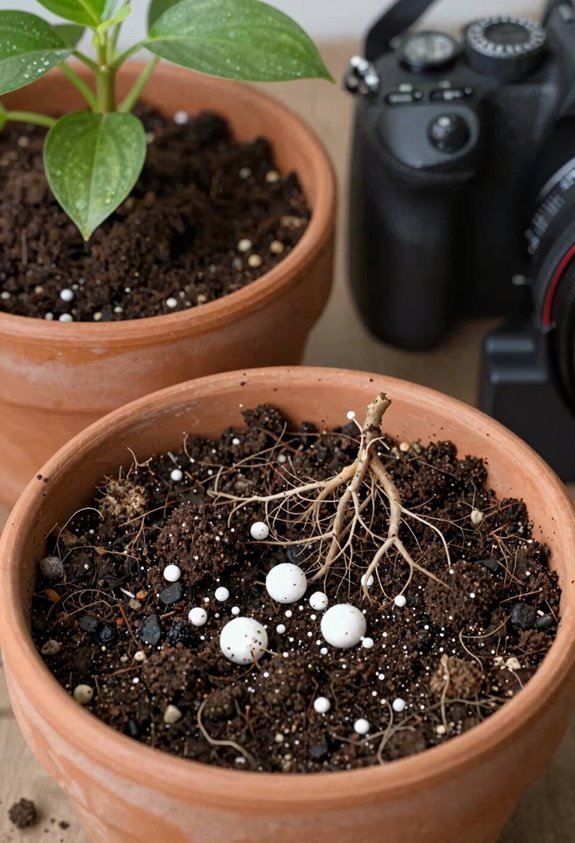
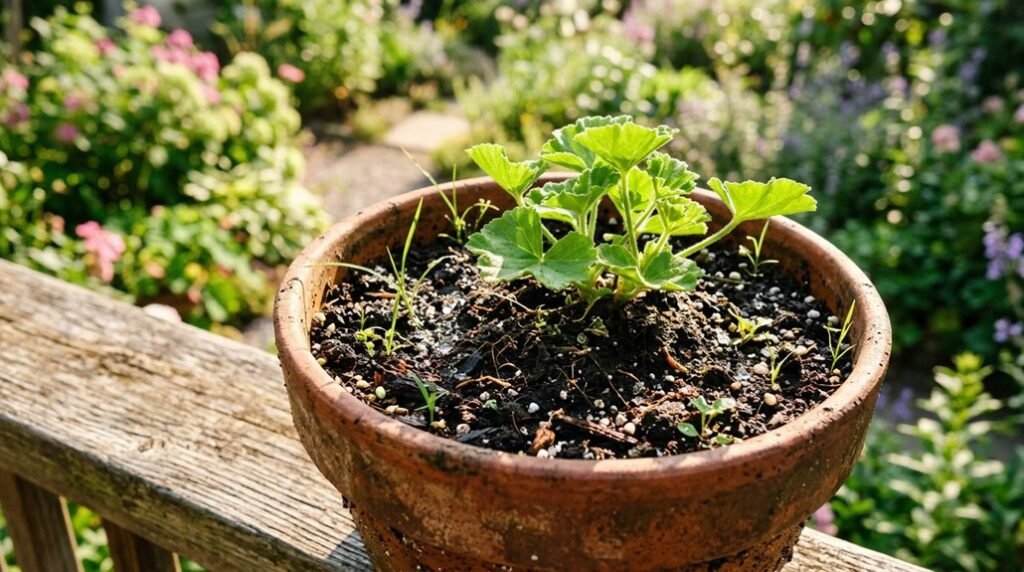
Why does garden soil struggle in containers? I’ve watched countless gardeners make this mistake, and I understand the impulse: it’s right there, it’s free, and it grows plants in the ground. But here’s what actually happens: garden soil is dense and heavy, and in containers, it compacts hard, crushing drainage and aeration until roots suffocate.
Without those air spaces, water sits stagnant, creating waterlogging that invites root rot. You’re not just risking plant death; you’re opening doors to nutrient imbalance and welcoming pests and pathogens that do well in that soggy environment.
The shift feels small, but it matters enormously. When we reach for purpose-made potting mix instead, we choose structure designed for confinement: mixes that drain, breathe, and protect. Your plants belong in containers that work.
DIY Potting Mix Recipes for Healthy Container Plants
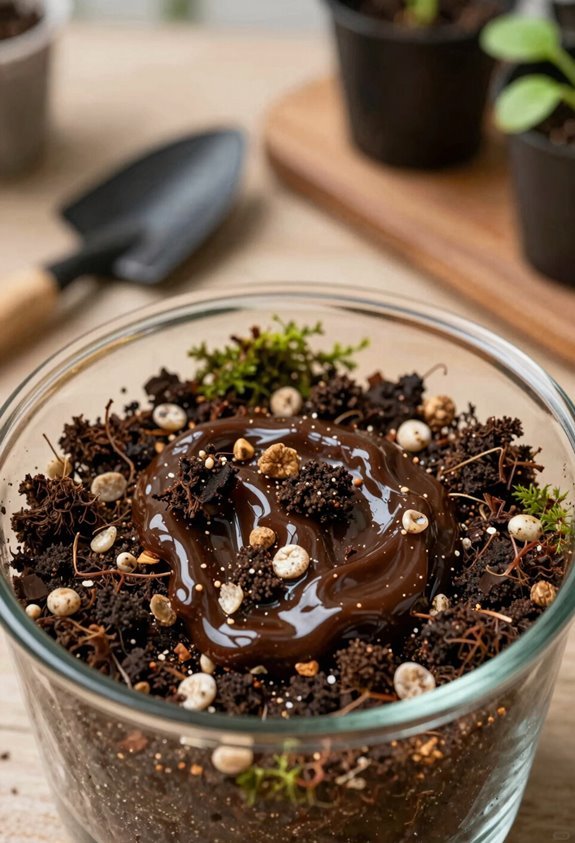
So how do we build something better? I’ve found that crafting a DIY potting mix makes container gardening far more rewarding. We start by leaving garden soil behind, then blend ingredients that honor each plant’s needs.
Here’s what I mix together:
compost for nutrients, coco coir for moisture, and perlite for drainage.
- 2 parts compost for nutrients and microbial life
- 2 parts coco coir for moisture retention without waterlogging
- 1 part perlite for drainage and aeration throughout the root zone
I aim for roughly 40% compost by volume, which feeds roots while maintaining structure. This soilless blend stays light, resists compaction, and manages moisture beautifully. Your plants gain the oxygen and hydration they deserve, and you join countless growers who’ve discovered this reliable path to healthier container plants.
Garden Soil vs. Potting Mix: Why They Perform Differently in Containers
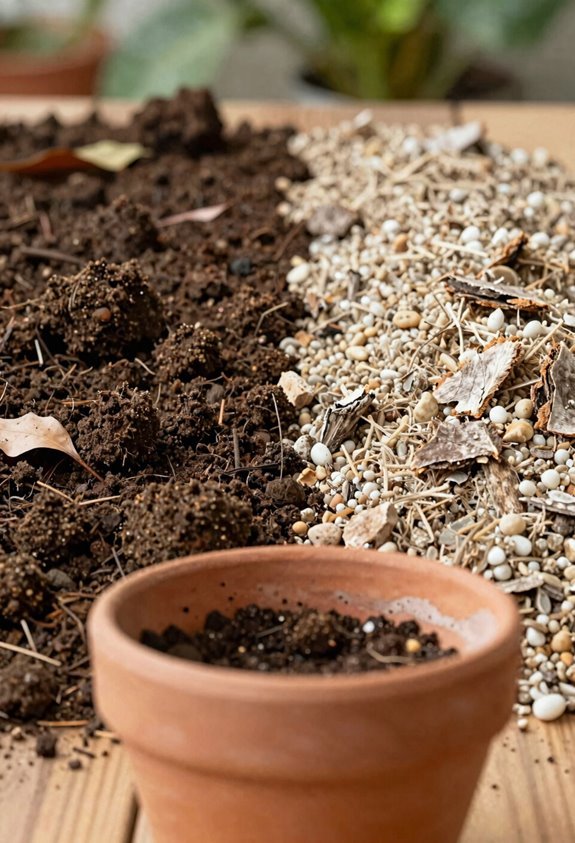
Because I’ve watched too many container plants struggle, I know the difference between garden soil and potting mix isn’t just technical, it’s the line between healthy roots and suffocated ones.
Garden soil packs tight in containers, cutting off drainage and aeration while potting mix stays fluffy, giving roots room to breathe. I’ve seen waterlogged disaster in pots filled with garden soil; that dense structure holds moisture unevenly, breeding rot where root health should flourish. Potting mix balances moisture retention with escape routes for excess water.
Designed lightweight for containers, quality potting mix includes perlite or vermiculite creating air pockets garden soil simply lacks. You can add amendments to garden soil, but you’ll never match the reliability of mix engineered specifically for container life.
When You Must Use Garden Soil: 3 Safer Methods for Pots
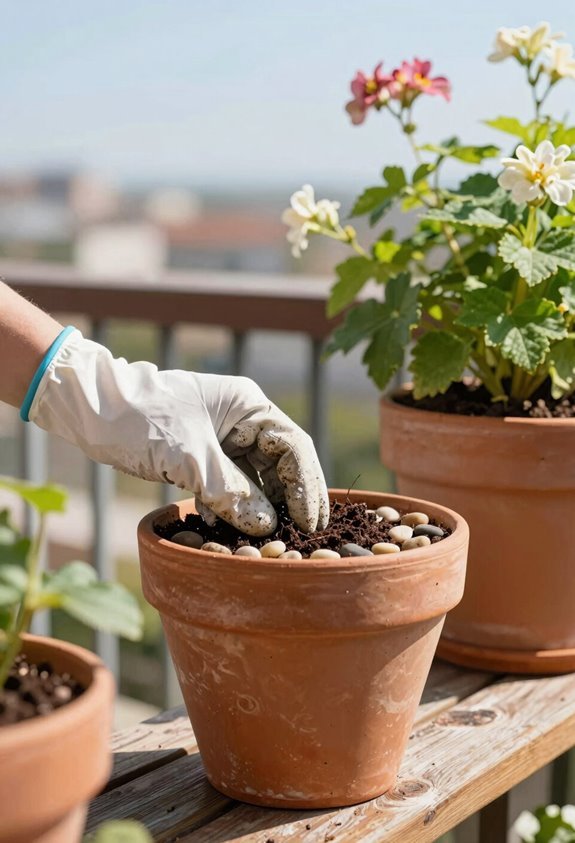
Skip the warnings and grab that shovel if garden soil is your only option. I’ve got three safer methods that’ll keep your container plants growing well without sacrificing root health.
The Balanced Blend: I mix 1 part garden soil, 1 part moisture retention like coco coir, and 1 part drainage like perlite; this trio changes heavy earth into breathable structure for your pots.
The Halfway House: I combine 50/50 garden soil and soilless potting mix, instantly boosting aeration while keeping some familiar texture.
The Full Swap: I replace garden soil entirely with quality potting mix when I can, giving container plants the professional-grade drainage and aeration they really need.
I always add soil amendments annually, and I never use straight garden soil in self-watering pots where perched water invites disaster. Your plants deserve these precautions.
Warning Signs Your Container Soil Is Hurting Your Plants
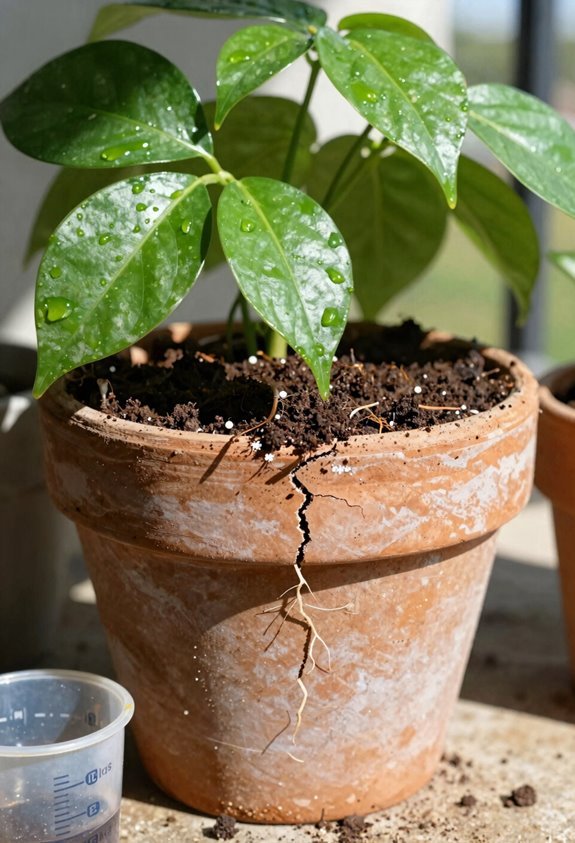
How can you tell when your container soil has turned from a place where plants flourish to a prison for roots? I’ve learned to look for specific signs of soil harm before my plants surrender completely.
When I use garden soil in pots, drainage suffers almost immediately. The dense texture collapses those essential air spaces roots need, which triggers root rot within weeks. My container plants wilt despite regular watering, and their leaves become pale and limp. This is a classic symptom of waterlogged roots suffocating in poor moisture control.
I check for soil compaction by pressing gently. If the surface feels hard and cake-like, root health is already compromised. Heavy containers that stay wet for days signal trapped water with no escape route. These warning signs demand swift action. Once garden soil in pots turns concrete-hard, recovery becomes nearly impossible for struggling plants.