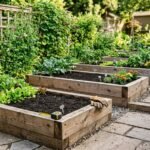
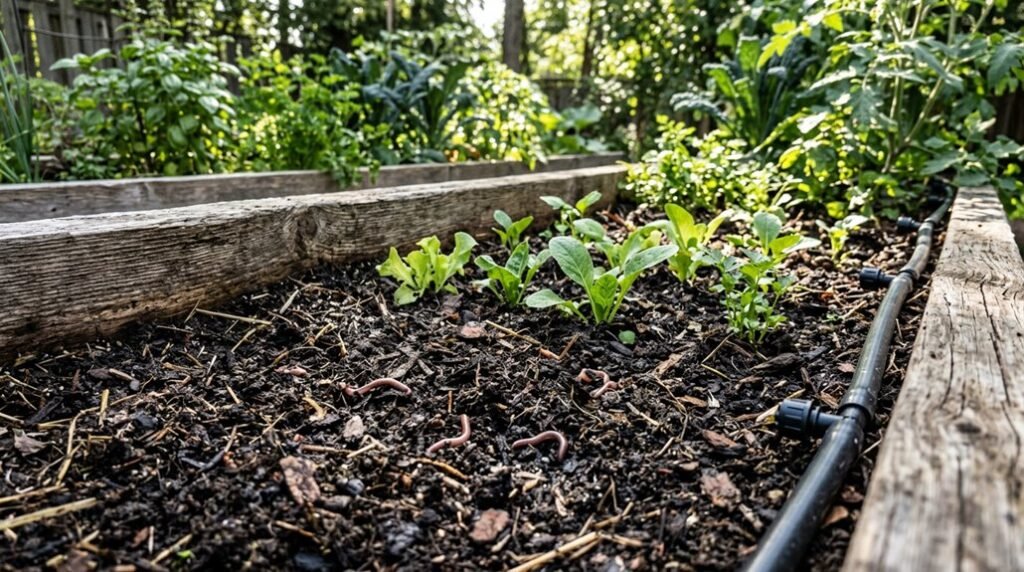
I’ve filled dozens of raised beds over the years, and I always get the same question: can you just dump topsoil in and call it done?
The short answer is yes, but you’ll likely face compacted soil, stunted roots, and disappointing harvests within a single season. Topsoil alone lacks the microbial life and organic structure that vegetables crave, which is why I never use it straight.
The real solution lies in what you blend with it, and how deep your bed actually goes.
Can You Fill a Raised Bed With Just Topsoil? (Yes, But Here’s the Catch)
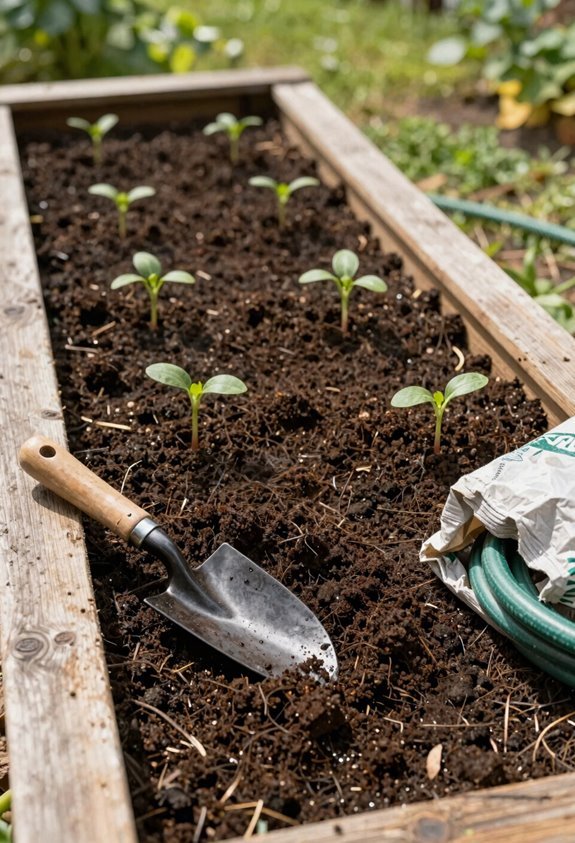
Why settle for mediocre results when you’re building something from scratch? I’ve learned that filling a raised bed with only topsoil technically works, but you’re leaving your plants hungry from day one. Topsoil lacks the organic matter and living biology that changes dirt into rich, fertile soil.
Without compost mixed in, you’ll watch drainage suffer as that topsoil compacts into something resembling concrete. Your roots struggle, and microbial life stays dormant. That’s why experienced growers embrace soil layering; tucking logs and leaf mold beneath quality topsoil, then capping with compost-rich material.
For my deeper beds, I refresh with five inches of horse compost each spring to sustain that fertility. You’re building a community down there, not just filling a box.
The 50/50 Topsoil-to-Compost Ratio That Works in Most Climates
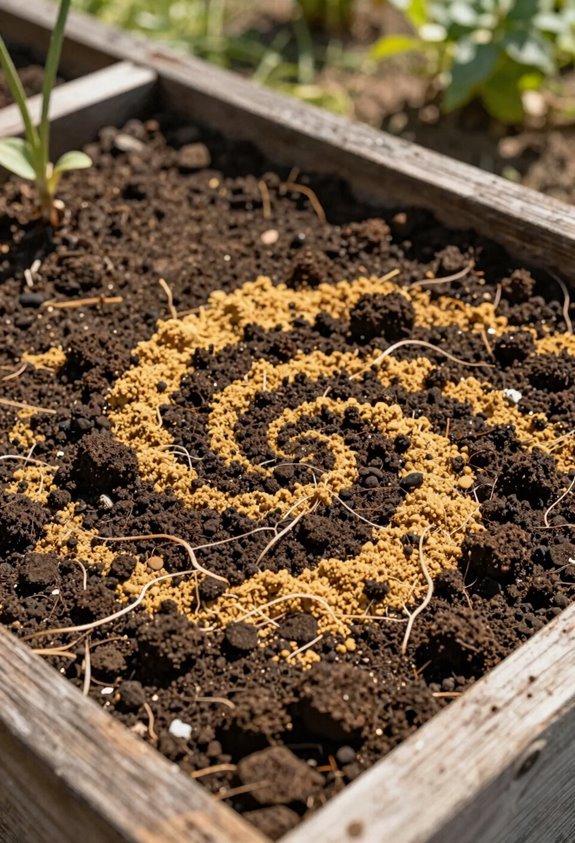
The sweet spot I’ve landed on after years of filling beds is an even split between topsoil and compost, and it’s the ratio I recommend nearly everywhere. This 50/50 ratio creates a balanced soil mix that supports active soil life while ensuring proper drainage in your raised beds.
Here’s why this blend works so well:
- Topsoil provides the structural foundation that holds everything together
- Compost delivers concentrated nutrients and beneficial microorganisms
- Bulk sourcing of both materials cuts costs considerably
- Pure topsoil or pure compost: neither extreme serves plants well
- Seasonal top-dressing with compost maintains living soil vitality
I start new beds with this exact ratio, then refresh annually with compost. Your climate may shift proportions slightly, but this foundation rarely disappoints.
Filling Deep Beds Cheaply: What Goes Below the Top 12 Inches?
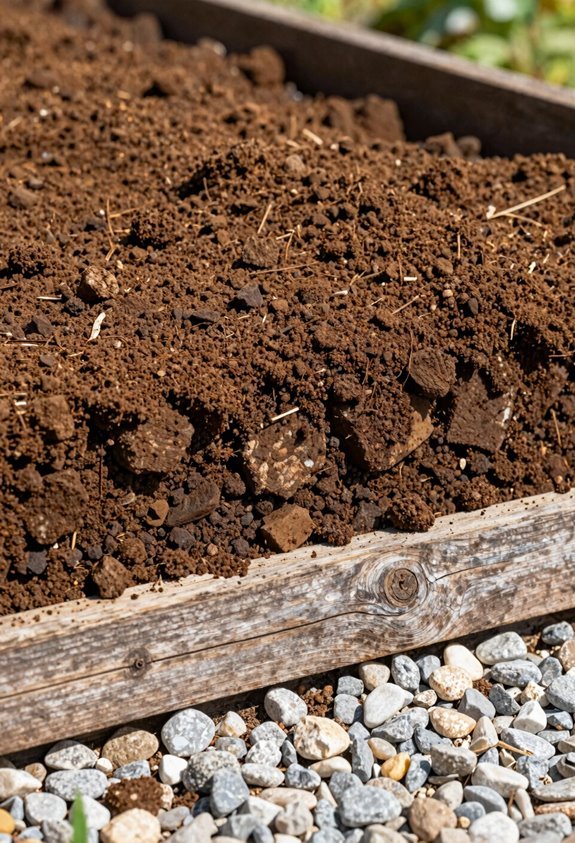
How do you fill a two-foot bed without draining your wallet? I’ve found that deeper fill doesn’t demand premium mix throughout. Below the top 12 inches, where roots concentrate, I build cost-effective fill using bulk soil and organic matter before capping with quality topsoil and compost.
| Layer | Material | Purpose |
|---|---|---|
| Bottom 6-12″ | Logs, sticks, leaf mold | Decomposes, retains moisture |
| Middle 6-12″ | Bulk soil, grass clippings | Affordable structure |
| Top 12-15″ | 50/50 topsoil and compost | Nutrient-rich rooting zone |
This soil layering approach cuts costs significantly. Bulk soil delivery saves money and reduces waste, though I always check for weed seeds. For raised beds 18-30 inches deep, this method supports proper drainage while keeping your investment practical.
How to Test Topsoil for Contamination and Texture Before You Buy
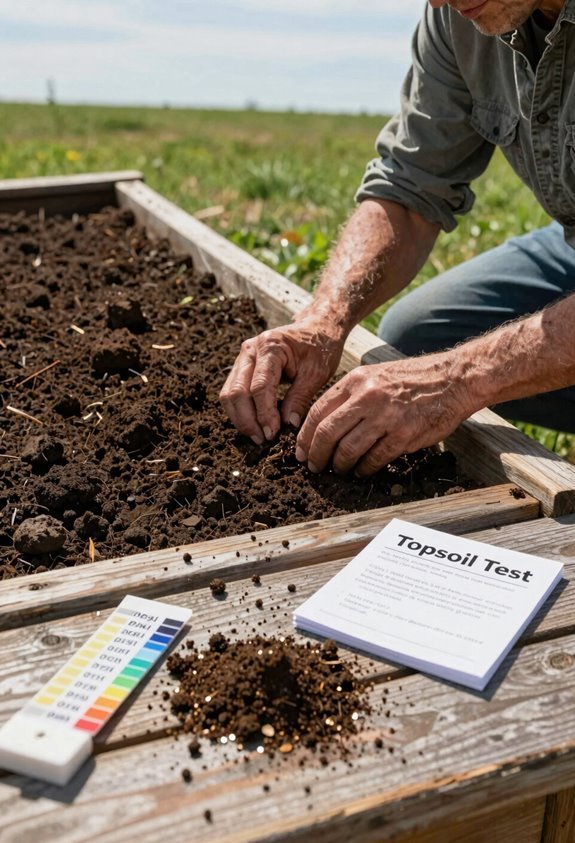
Before hauling truckloads of soil to your property, I’ve learned it’s worth asking what hidden risks might lurk in that promising pile of earth. Topsoil testing protects your investment and your health, especially when growing edible crops.
Here’s what I check before buying:
- Request soil certifications documenting heavy metals screening and contamination history
- Perform texture testing by squeezing damp soil; ideal loamy soil holds shape without sticking
- Verify tests for arsenic, lead, and other heavy metals that accumulate in root vegetables
- Ask about pesticide residues and pathogen screening for food-safe growing
- Confirm nutrient levels align with your regional climate and drainage needs
When I pair tested topsoil with quality compost, I build beds that support strong, productive plants and peace of mind.
How to Vet Local Soil Suppliers (Red Flags and Green Lights)
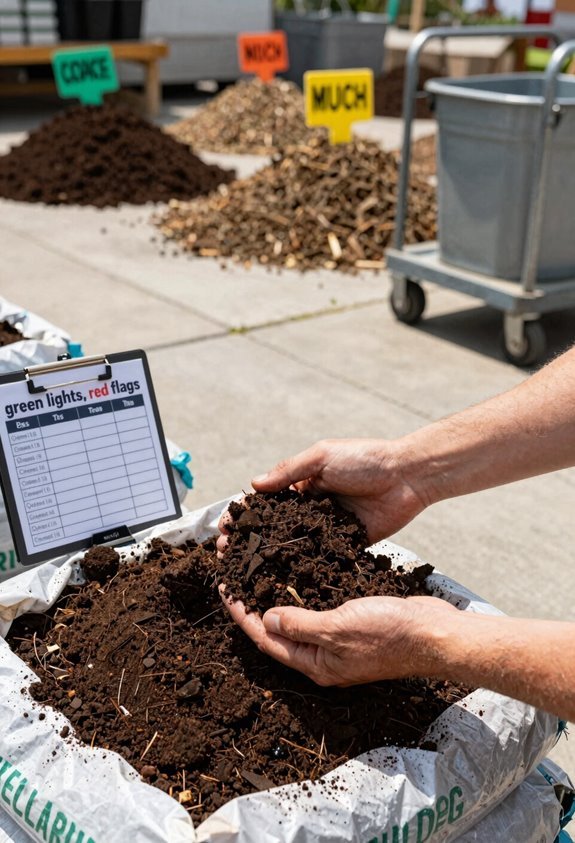
Where exactly does quality soil come from, and how do I separate trustworthy suppliers from those cutting corners? I’ve learned that local soil suppliers specializing in edibles soil blends offer far better topsoil quality than big-box stores, where bagged mixes often disappoint.
Local soil specialists crafting edibles blends consistently outperform big-box bagged mixes on quality.
When I vet suppliers, I request soil testing documentation and ask pointed questions. Is your compost content well-decomposed? Are your products herbicide-free? Do you screen for weed seeds? These details separate professionals from amateurs.
Bulk purchases cut costs dramatically, but I never skip verification. I avoid manure-heavy or bark-heavy compost, prioritizing organic matter that’s fully broken down. For raised beds, I seek blends formulated specifically for food production, ensuring proper drainage and nutrients.
Trustworthy suppliers welcome scrutiny. They share certifications, explain their sources, and understand why gardeners demand transparency.