Most homeowners assume small yards mean small budgets, but I’ve seen compact spaces demand premium pricing due to tight access and precision work. Your square footage rarely tells the full story.
The real cost drivers hide in soil conditions, hardscape ratios, and whether you’re refreshing turf or reimagining the entire layout. I’ll break down where your money actually goes.
What Small Yard Landscaping Actually Costs: With Real Numbers
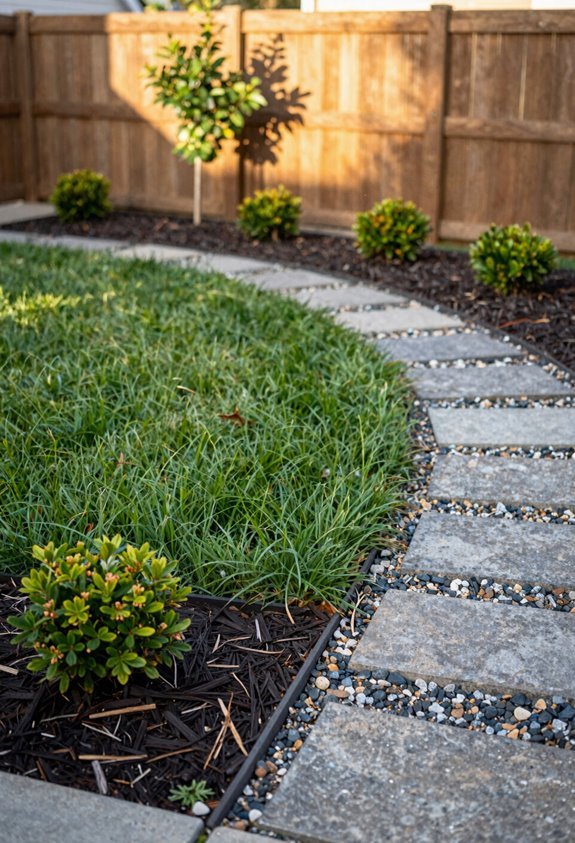
How much should you realistically expect to spend? I’ve seen small yard landscaping costs range dramatically based on what you’re dreaming up. For straightforward lawn-to-planting conversions, you’re looking at roughly $13,000–$25,000, though detailed work with hardscape easily pushes past $40,000.
Regional variation matters here. In Long Beach, design fees typically grab 10–15% of your total, covering drainage planning and project coordination that keeps everything flowing smoothly. Hardscape eats 40–60% of full-yard budgets: patios, decks, and walls demand premium materials and skilled labor per square foot.
I’ve watched simple lawn refreshes start around $2,500, while exhaustive backyard remodels with hardscape, lighting, and irrigation regularly exceed $35,000. An 800 square foot front yard conversion runs $13,000–$18,000; a 1,200 square foot backyard with patio and lighting lands closer to $28,000–$35,000.
How Square Footage Changes Your Small Yard Price
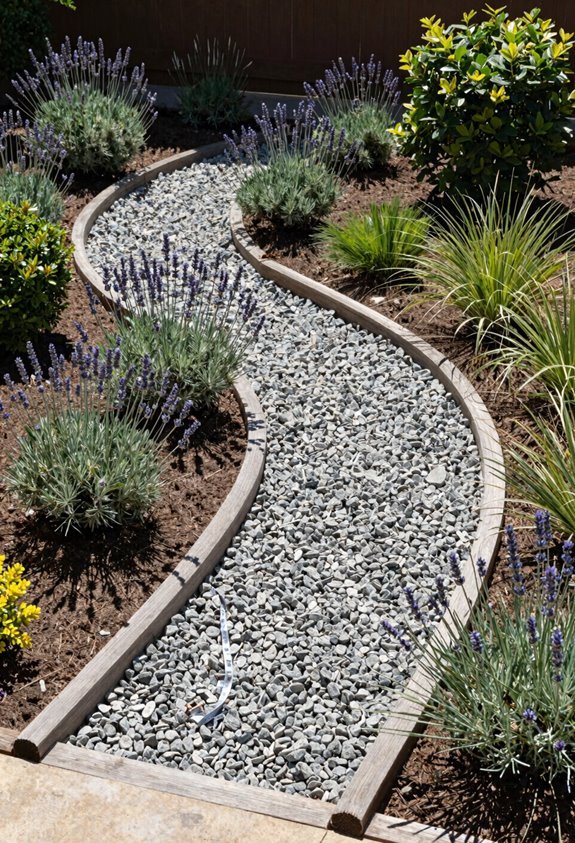
Why does a modest 800-square-foot front yard often run $13,000–$18,000 while adding just 400 more square feet can push your project toward $35,000? I’ve watched square footage change a simple cost estimate into something far more complex, and here’s what changes.
In your small yard, that extra space rarely means more softscape. Instead, it invites hardscape: patios, pathways, walls that dramatically shifts your per-square-foot math from $4 toward $20.
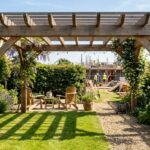
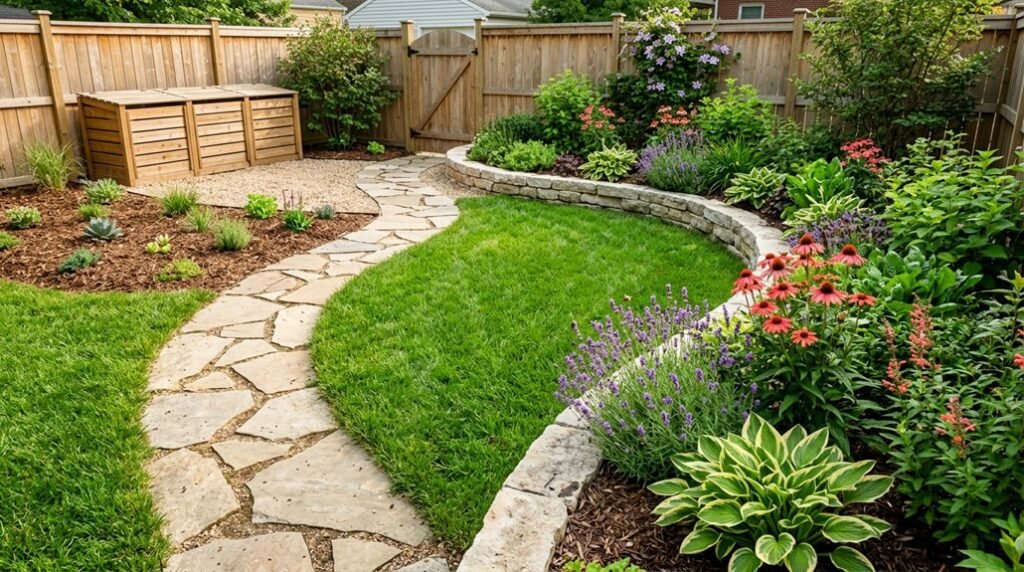
A compact lawn dissolving into gravel and native grasses. Stone pavers threading through drought-tolerant beds. Retaining walls cradling raised planting zones. Evening lights dotting new gathering spaces.
That 1,200-square-foot vision feels attainable, yet hardscape consumes 40–60% of your budget, plus 10–15% for design. Your square footage isn’t just space; it’s structural commitment.
Regional Cost Differences That Matter for Small Yards
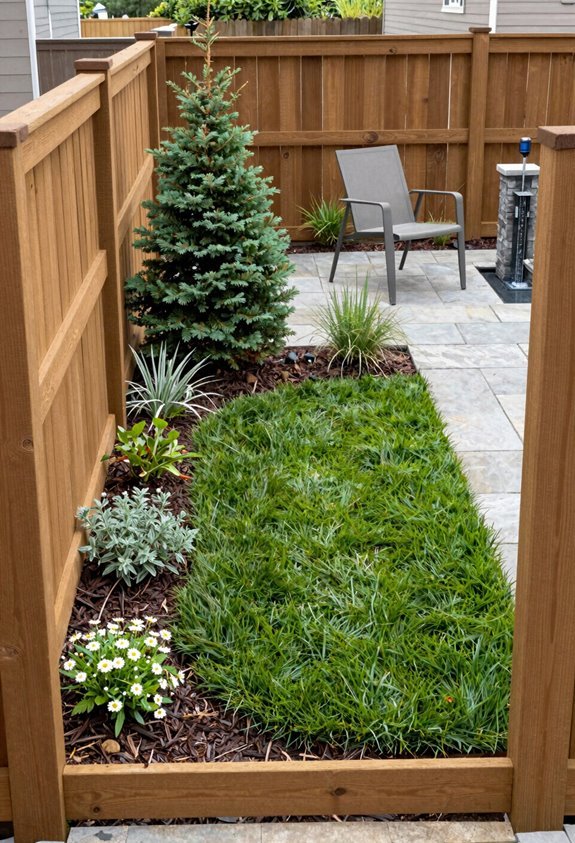
Where you live shapes your landscaping budget more than most homeowners realize, and I’ve seen identical small-yard designs swing $15,000 higher just two states apart. Regional differences create real cost gaps, with some markets running 40% above others for the same scope.
For your small yard, these regional differences hit hardest on cost drivers you can’t skip. Soil prep runs deeper in rocky Western terrain, while irrigation upgrades dominate arid coastal bids where every drop counts. Hardscape pricing fluctuates wildly too. I’ve watched basic patios start at $5,000 in one market and hit $20,000+ where labor’s tight.
Climate demands shape your must-haves. Drainage systems, drought-tolerant foundations, and local code compliance aren’t optional line items; they’re regional realities that protect your investment and keep your outdoor space working well where you actually live.
Where Your Small Yard Budget Goes: Plants vs. Hardscape
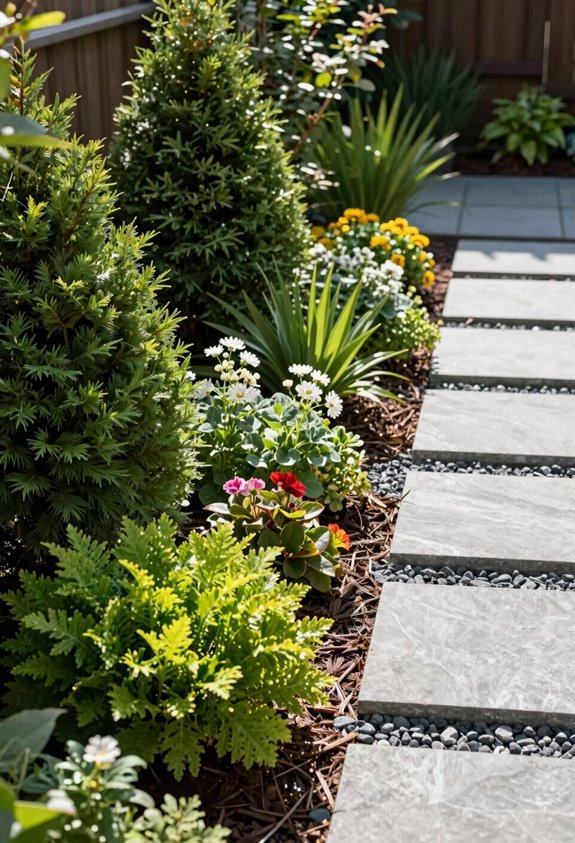
When you’re deciding where every dollar lands in a small yard, I’ve found the split between plants vs. hardscape shapes your outcome more than almost any other choice. Budget allocation becomes your roadmap: plant-forward approaches like lawn conversion with drip irrigation and drought-tolerant species typically run $13,000–$18,000, while hardscape components such as patios, retaining walls, and grading can push projects toward $40,000–$75,000. Design fees, usually 10–15% of your total, integrate both elements seamlessly.
Your small yard changes through deliberate choices:
- Soft earth yielding to sculptural gravel paths that guide evening footsteps home
- Native shrubs clustering against warm stone walls that hold afternoon heat
- Water-wise irrigation threading silently beneath mulch, sustaining life unseen
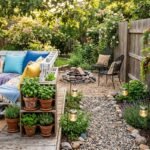
- Intimate seating areas where hard edges dissolve into planted borders
When to Hire a Small Yard Pro: and What You’ll Pay
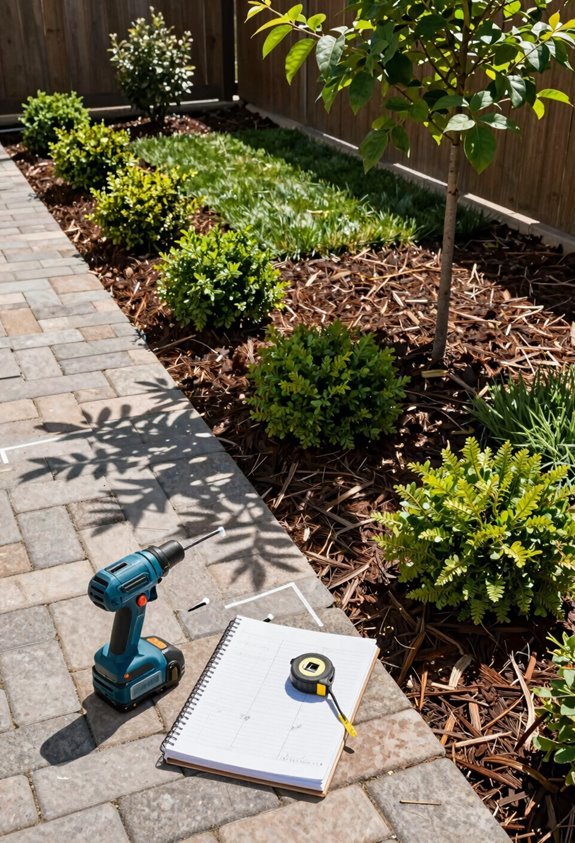
If your weekends keep disappearing into unfinished yard plans, I’ve learned that bringing in a professional often saves both money and sanity in the long run. I hire a small yard pro when drainage puzzles me, hardscape needs structural integrity, or permits loom overhead.
Cost ranges typically span $4,500 to $22,500, with per-square-foot rates between $4 and $20. Design fees add another 10–15%, covering planning and irrigation coordination. Since hardscape consumes 40–60% of budgets despite covering under 30% of area, expertise prevents costly mistakes. Regional variations swing roughly 40%, so local knowledge matters.
When your vision exceeds your skillset, professional investment turns cramped spaces into cohesive retreats you’ll actually use.
What You Can Realistically DIY in a Small Yard
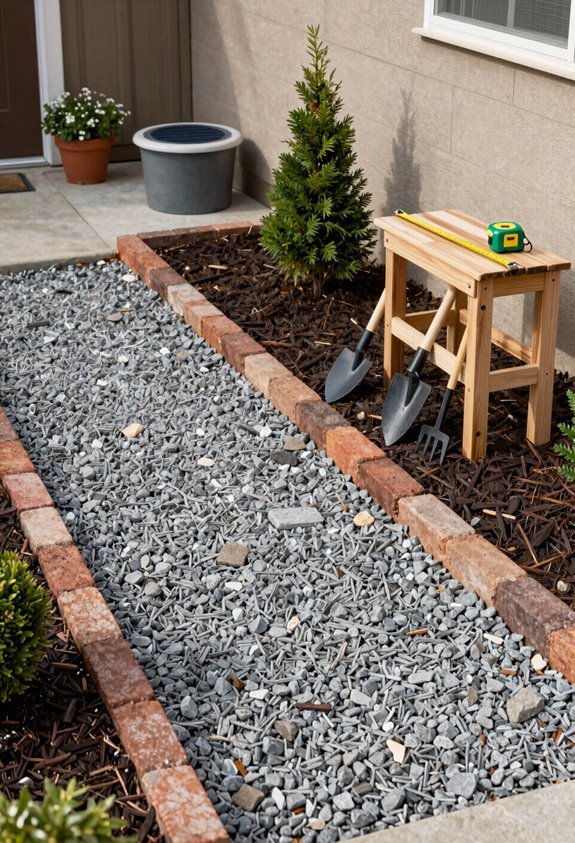
Why stretch your budget when strategic DIY work can preserve thousands for the features that truly matter? In my small yard, I’ve learned that DIY landscaping lets me control cost ranges while shaping project scope around my abilities. The design process becomes collaborative when I handle softscape myself, like soil, plants, and mulch, while reserving hardscape vs softscape decisions for professionals when structural integrity demands expertise.
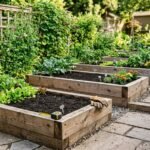
- Digging fresh garden beds around your patio’s edge, turning bare dirt into layered texture
- Spreading gravel pathways that crunch pleasantly beneath evening footsteps
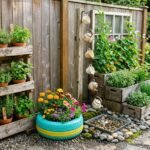
- Installing simple container gardens that soften corners without permanent commitment
- Sowing native seed mixes that become living, swaying groundcover
This balance keeps my small yard renovation approachable, not overwhelming.
Permits, Access, and Soil Prep Fees That Inflate Small Yard Budgets
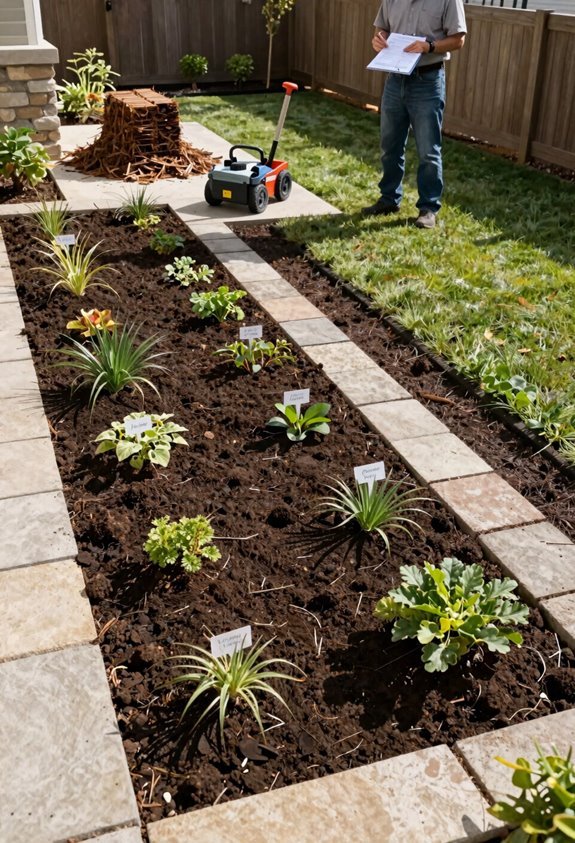
I want to flag three budget factors that catch many homeowners off guard when they’re planning small yard transformations. Permit application fees can run anywhere from fifty to three thousand dollars depending on your municipality and project scope, especially if you’re installing fencing or regrading.
Site access limitations in compact urban lots often force crews to use specialized equipment or manual hauling, which drives up labor costs substantially.
Finally, soil preparation costs, including amendments, grading, and drainage corrections, frequently exceed expectations because even modest spaces demand proper groundwork for solid plant establishment.
Permit Application Fees
Where exactly do small-yard budgets quietly balloon before a single plant goes in? I’ve watched permit fees catch homeowners off guard repeatedly, and I want you prepared. For your small yard, these costs range from $50 to $3,000 depending on your location and what your landscaping project actually involves. Fencing, resloping, or major drainage work typically triggers requirements you might not anticipate.
- A city inspector reviewing your fence height against zoning maps
- Stamped approval papers sitting on your kitchen counter, waiting
- Neighbors gathering at HOA meetings to vote on your design
- Clay-heavy soil exposed after permits clear, demanding preparation
Local codes and HOA codes add layers I always account for early. Combine permit fees with soil preparation estimates, and you’ll avoid the sticker shock I’ve seen derail too many promising projects.
Site Access Limitations
Permit fees are only the beginning. Once I’m in your space, site access reveals its true impact on labor costs. Your yard size doesn’t protect you from these challenges; in fact, smaller properties often compound them. Tight passages force excavation crews into careful choreography, extending timelines and inflating budgets proportionally higher than open sites demand.
I’ve navigated properties where staging constraints required manual transport of materials through narrow gates, adding hours to simple tasks. These site access limitations transform straightforward projects into logistical puzzles. Permits might clear legal requirements, but physical barriers persist. Equipment positioning, material delivery, and crew efficiency all suffer when constraints tighten.
Understanding these realities helps me set honest expectations from our first conversation, building trust through transparency about what your unique property demands.
Soil Preparation Costs
Why does soil preparation often consume more of your budget than the plants themselves? I’ve watched countless homeowners discover that compacted soil and drainage amendments turn modest projects into significant investments, especially when site access limits equipment movement. Your small yard demands precision that larger spaces avoid.
Rock-hard earth resisting every shovel stroke. Water pooling where roots should breathe. Narrow gates blocking essential machinery. Unexpected permits taped to your front door.
I always recommend budgeting for irrigation retrofit during soil work, since tearing up finished beds later hurts worse. Permits range from fifty to three thousand dollars depending on your municipality’s requirements. Proper soil preparation prevents costly repairs, protecting your investment while building the foundation your outdoor space deserves.
Small Yard Hacks: Big Impact for Less Money
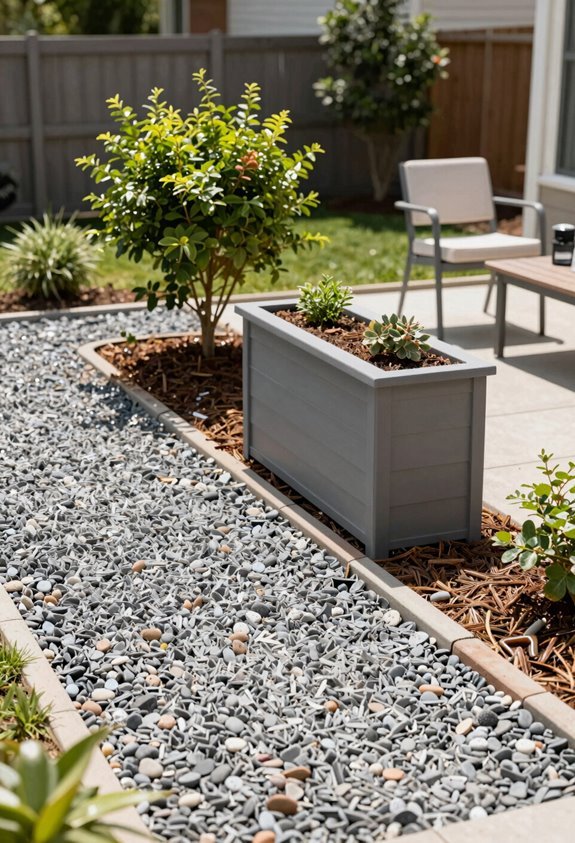
How can you stretch a modest budget into something that feels expansive? I’ve found that smart small yard hacks deliver serious transformation without draining your savings.
Start with drought-tolerant plants that thrive on neglect, then layer in drip irrigation to cut water waste and future bills. I always recommend fresh mulch and defined planting beds; they instantly refresh tired spaces for minimal cost.
Here’s what I’ve learned: professional design fees, typically 10–15% of your total, actually save money by preventing drainage disasters down the road. For tight budgets, skip elaborate hardscape. Instead, combine basic lawn updates with strategic planting, efficient irrigation, and soil prep. These targeted moves create welcoming outdoor rooms without the $25,000 price tag of full conversions.